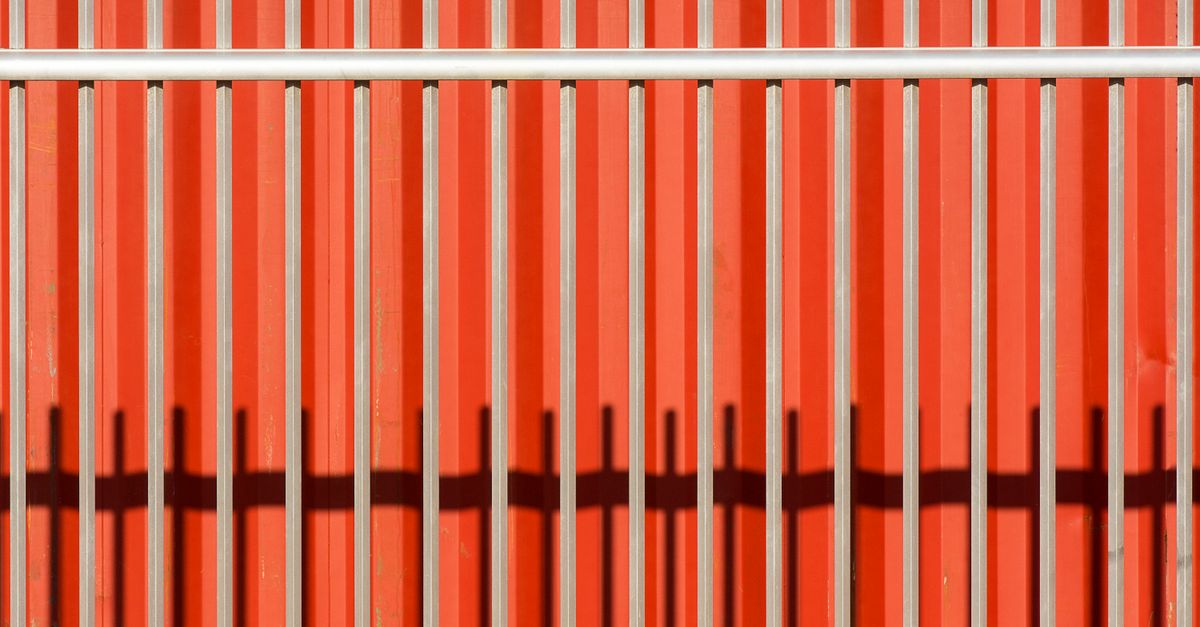
The Role of Decorative Colorbond Fencing in Landscape Design
Table Of Contents
Designing with Colorbond Fencing in Mind
When incorporating Colorbond fencing into landscape design, it is crucial to consider not only aesthetics but also functionality. These fences offer a range of colours and styles that can complement various landscapes. Choosing a hue that contrasts or harmonises with plants and hardscaping elements can create a cohesive look. Additionally, the versatility of Colorbond fencing allows for creative integration with features such as garden beds and pathways.
The height and orientation of Colorbond fencing should also be factored into the design process. Taller fences provide privacy and security, while shorter options can maintain an open feel, making spaces appear larger. Consideration of local weather conditions will further influence decisions; for instance, installing fencing that can withstand strong winds may be necessary in exposed areas. The alignment of the fence with natural landscape lines can enhance visual flow and create a more inviting outdoor environment.
Harmonising Fencing with Existing Architectural Styles
When integrating decorative Colorbond fencing into a landscape design, it is essential to consider the architectural style of the surrounding structures. The sleek, modern lines of Colorbond can complement contemporary homes while softening the visual hardiness often associated with metal fencing. Choosing colours that reflect the tones of existing materials can help unify the space. For instance, a warm beige can harmonise beautifully with timber elements, while deep blues or greys may echo coastal themes or urban aesthetics.
Creating a cohesive look involves paying attention to not just the colour but also the detailing and finish of the fencing. Textured surfaces or matte finishes can evoke a more rustic charm that pairs well with traditional architecture. A striking fence can serve as an architectural feature while still respecting the established style of the home. The design should always reflect the character of the immediate environment, creating a seamless transition between the fence and the larger landscape.
Maintenance Tips for Colorbond Fencing
Regular maintenance of Colorbond fencing is essential to ensure its longevity and visual appeal. A simple wash with mild detergent and water can remove dirt and grime that accumulate over time. Ensure to use a soft cloth or sponge for cleaning to avoid scratching the surface. Inspect the fence periodically for any signs of corrosion or damage, particularly around welds and fittings. Promptly addressing any issues can prevent more significant problems down the line, thus preserving the structural integrity of the fencing.
To maintain its aesthetic value, consider applying a protective coating specifically designed for Colorbond materials. This application helps shield against the harsh Australian sun, reducing fading and wear. Additionally, keep vegetation clear from the fence to prevent organic growth that could cause staining or corrosion. By following these straightforward maintenance techniques, homeowners can enjoy the durability and beauty of Colorbond fencing for many years.
Ensuring Longevity and Maintaining Aesthetic Value
Proper care is essential for preserving the beauty and durability of Colorbond fencing. Routine cleaning can remove dirt, dust, and organic growth that may accumulate over time. Periodic inspections for scratches or dents allow for timely touch-ups, ensuring the surface remains visually appealing. Applying protective coatings can further enhance the fence’s resistance to harsh weather conditions, extending its lifespan significantly.
Selecting the right colours can also play a significant role in maintaining aesthetic values. Muted shades tend to blend well with natural surroundings, creating a seamless integration into the landscape. Understanding how the colour scheme interacts with existing architecture enhances both the fence’s role as a boundary and its contribution to overall design harmony. This thoughtful approach ensures the fence is not only functional but also a key element of outdoor beauty.
Sustainability of Colorbond Fencing
Colorbond fencing stands out as a sustainable option in landscape design, given its efficient utilisation of materials and recyclable nature. Made primarily from steel, which is one of the most recyclable materials, Colorbond fences can be repurposed at the end of their lifecycle instead of ending up in landfills. This characteristic aligns well with the growing demand for eco-friendly home improvement solutions, appealing to environmentally-conscious homeowners who are seeking responsible building practices.
Additionally, the durability of Colorbond fencing contributes significantly to its sustainability credentials. Resistant to rust, pests, and extreme weather conditions, these fences require minimal maintenance over time. This longevity translates to less frequent replacements and repairs, ultimately reducing the overall resource consumption associated with landscape projects. The energy-efficient production process of Colorbond also plays a part in its appeal, as it consumes less energy compared to other materials, further enhancing its role in sustainable landscape design.
Eco-Friendly Practices in Landscape Design
In recent years, the emphasis on sustainable landscaping has gained significant attention among designers and homeowners alike. Incorporating eco-friendly practices into landscape design not only enhances the visual appeal of a property but also contributes to environmental preservation. Native plants are often preferred due to their low water requirements and ability to support local wildlife. Additionally, using recycled materials and sustainable resources in construction, such as Colorbond fencing, can reduce waste while offering durability.
Water conservation techniques play a crucial role in sustainable landscape design. Strategies like rainwater harvesting and the installation of efficient irrigation systems help minimize water usage. Employing mulching and composting can improve soil health and retain moisture. Integrating these practices with aesthetic elements allows for a beautiful landscape that also meets eco-friendly standards, ultimately benefiting both the environment and the community.
FAQS
What is Colorbond fencing, and how is it used in landscape design?
Colorbond fencing is a type of metal fence made from pre-painted steel, known for its durability and aesthetic appeal. In landscape design, it can be used to create boundaries, add structure, and enhance the visual appeal of outdoor spaces.
How can I harmonise Colorbond fencing with my existing architectural style?
To harmonise Colorbond fencing with your architectural style, choose colours and designs that complement the overall aesthetics of your home. Consider the materials, textures, and colour palette used in your property to create a cohesive look.
What are the maintenance tips for Colorbond fencing?
To maintain Colorbond fencing, regularly clean it with soapy water to remove dirt and debris. Inspect for any scratches or damages, and promptly touch them up with colour-matched paint to prevent rust. It’s also essential to check the fencing structure for stability.
How can I ensure the longevity of my Colorbond fencing while maintaining its aesthetic value?
Ensuring the longevity of Colorbond fencing involves regular maintenance, such as cleaning and inspection. Additionally, applying a protective coating can help preserve its finish and prevent discolouration and rust, thus maintaining its aesthetic value over time.
Is Colorbond fencing an environmentally friendly option for landscape design?
Yes, Colorbond fencing is considered environmentally friendly as it is made from recyclable materials and is energy-efficient in production. Additionally, its durability means it requires less frequent replacement, reducing waste in the long run.
Related Links
Creative Ideas for Decorative Colorbond Fencing in MelbourneEnhancing Outdoor Spaces with Decorative Colorbond Fencing
Designing a Welcoming Entry with Decorative Colorbond Fencing
Colour Choices for Custom Decorative Colorbond Fencing
Customising Your Home’s Look with Decorative Colorbond Fencing