Identifying and Resolving Common Colorbond Fencing Issues
Table Of Contents
Noise and Vibration Issues
Noise and vibration can significantly impact the longevity and functionality of Colorbond fencing. Factors such as wind, nearby traffic, and even wildlife can generate sounds and vibrations that diminish the tranquillity of outdoor spaces. Since Colorbond fencing is typically lightweight and stiffer than traditional timber, it can amplify these disturbances, making them more noticeable to occupants. Addressing these concerns is essential not only for comfort but also for the preservation of the fence itself.
Homeowners may experience a range of issues related to sound, particularly if their fencing is installed close to roads or within noisy environments. Over time, constant vibrations may lead to loose panels or compromised structural integrity. Identifying the sources of noise and vibration early on can aid in the implementation of effective solutions, ensuring that the fencing remains both functional and contributes positively to the surrounding environment.
Solutions for Sound Reduction
Noise concerns associated with Colourbond fencing can often be addressed with thoughtful modifications. Adding mass to the fence structure significantly aids in sound absorption. Products such as acoustic panels or sound-dampening insulation can be integrated alongside the Colourbond sheets. Sealing gaps and ensuring a snug fit during installation will further enhance soundproofing features, minimising any vibrations that might permeate the surrounding environment.
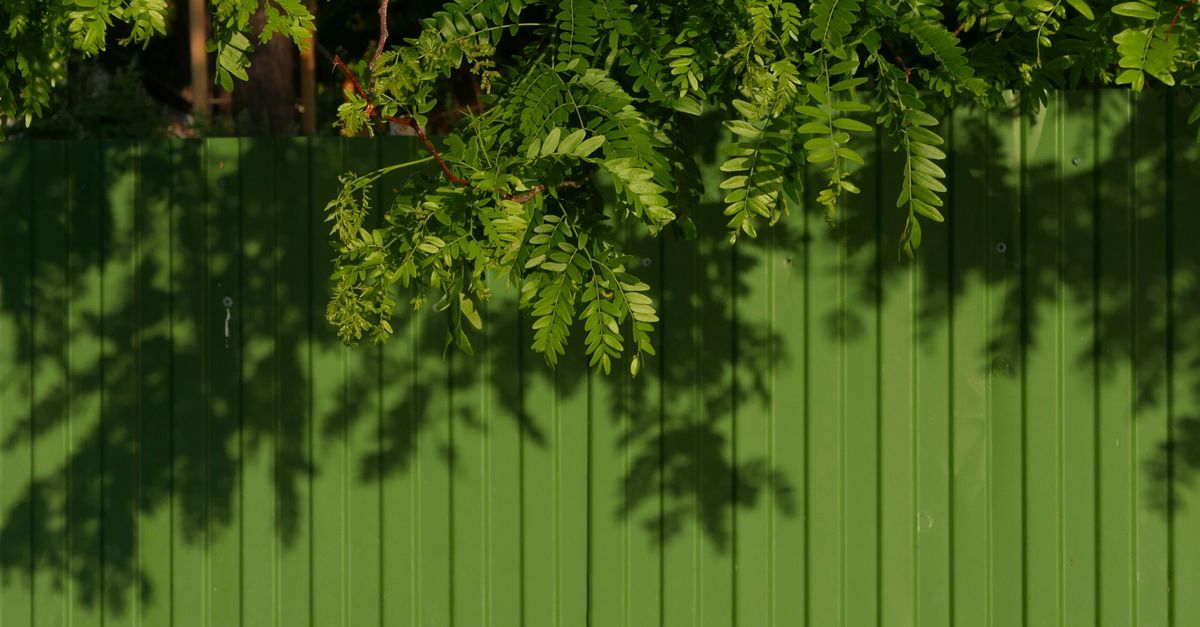
Landscaping can also play a vital role in reducing noise levels. The incorporation of dense vegetation or trees can create a natural barrier that absorbs sound waves. Positioning these plants strategically alongside the fence enhances both aesthetic appeal and acoustic performance. When combined with solid fencing materials, this approach can yield a more peaceful outdoor experience.
Installation Errors
Proper installation is crucial for the longevity and effectiveness of Colorbond fencing. Errors during the installation phase can lead to issues such as uneven panels, gaps, and instability. These problems may arise from inadequate preparation of the foundation, failure to secure posts correctly, or misalignment of panels. Even minor oversights, such as not considering the slope of the land, can severely compromise the overall integrity and aesthetic of the fence.
It is essential for homeowners and contractors alike to recognise signs of poor fencing practices. Visible inconsistencies in height or alignment are often indicators of hasty installation. Additionally, if panels or posts show signs of movement or shifting shortly after being erected, it may suggest that the foundation was not properly set. Addressing these installation errors promptly can save time and costs associated with more significant repairs down the line.
Recognising Poor Fencing Practices
A clear sign of poor fencing practices is the use of inadequate materials during installation. A flimsy framework can lead to instability, particularly in adverse weather conditions. Quality Colorbond fencing relies on robust supports that are anchored correctly in the ground. If posts are too far apart or not set deep enough, the entire fence may become compromised over time.
Another issue often arises from lack of attention to drainage and ground conditions. If the area isn't properly assessed or graded, water pooling can lead to rust and rotting over time. Improper installation can leave gaps that may allow pests to enter the property, undermining the fence's functional integrity. Identifying these shortcomings early can help in addressing potential problems before they escalate.
Weather-Related Challenges
Extreme weather conditions can significantly impact the integrity of Colorbond fencing. High winds may cause panels to flex or even become dislodged, leading to structural weaknesses. Prolonged exposure to heavy rain can also contribute to rust and corrosion if proper drainage is not ensured. Additionally, intense heat can cause materials to expand, affecting the overall alignment and stability of the fence.
Seasonal changes can exacerbate these issues. For instance, during hot summer months, UV radiation can deteriorate protective coatings, leading to a loss of aesthetic appeal and functionality. Conversely, cold weather can lead to brittle panels that may crack or break under pressure. It’s essential to monitor the condition of the fence throughout the year, taking proactive steps to mitigate damage from the elements. Regular maintenance and timely repairs can help maintain the fence's performance and lifespan.
Effects of Extreme Conditions on Fencing
Extreme weather conditions can significantly compromise the integrity of Colorbond fencing. High winds may cause panels to lift or become misaligned, leading to gaps that can expose the yard to pests or debris. Additionally, heavy rain can lead to soil erosion around the posts, weakening the structure. In areas prone to flooding, submerged fences may experience rust or corrosion if not properly treated, reducing their lifespan.
Harsh sunlight can also impact the appearance and functionality of Colorbond fencing. Prolonged exposure to UV rays can fade the colour over time, making the fencing less visually appealing. Some materials may warp or crack due to heat, affecting both the aesthetic value and structural reliability. Regular maintenance and timely inspections are crucial to address these weather-related challenges effectively, ensuring the longevity and durability of the fence.
FAQS
What are some common noise and vibration issues associated with Colorbond fencing?
Common noise and vibration issues with Colorbond fencing include sound transmission from nearby roads or noisy neighbours, as well as vibrations from heavy winds or nearby construction. These can create discomfort and disrupt the peaceful use of your outdoor space.
How can I reduce noise levels from my Colorbond fence?
To reduce noise levels, consider adding soundproofing elements such as acoustic panels or planting dense vegetation alongside the fence. Additionally, ensuring the fence is installed correctly and securely can help minimise vibrations.
What are the signs of poor installation practices for Colorbond fencing?
Signs of poor installation include uneven panels, gaps between the panels and ground, misaligned posts, and rust or corrosion on the fence materials. If you notice these issues, it’s important to address them promptly to prevent further damage.
How does extreme weather affect Colorbond fencing?
Extreme weather conditions, such as high winds, heavy rain, and extreme heat, can affect Colorbond fencing by causing warping, bending, or corrosion of the materials. Regular maintenance and inspections can help identify and mitigate these effects.
What should I do if my Colorbond fence is damaged due to weather conditions?
If your Colorbond fence is damaged, assess the extent of the damage first. For minor issues, repairs such as repainting or replacing specific panels may suffice. However, for significant damage, it may be best to consult a professional fencing contractor for a thorough evaluation and necessary repairs.
Related Links
Preventing Fading in Colorbond Fencing Through Proper CareEssential Care Techniques for Your Colorbond Fence
The Role of Waxing in Colorbond Fence Maintenance
Tips for Addressing Scratches and Dents on Colorbond Fencing
How to Restore the Shine of Your Colorbond Fencing
Effective Cleaning Methods for Colorbond Fences