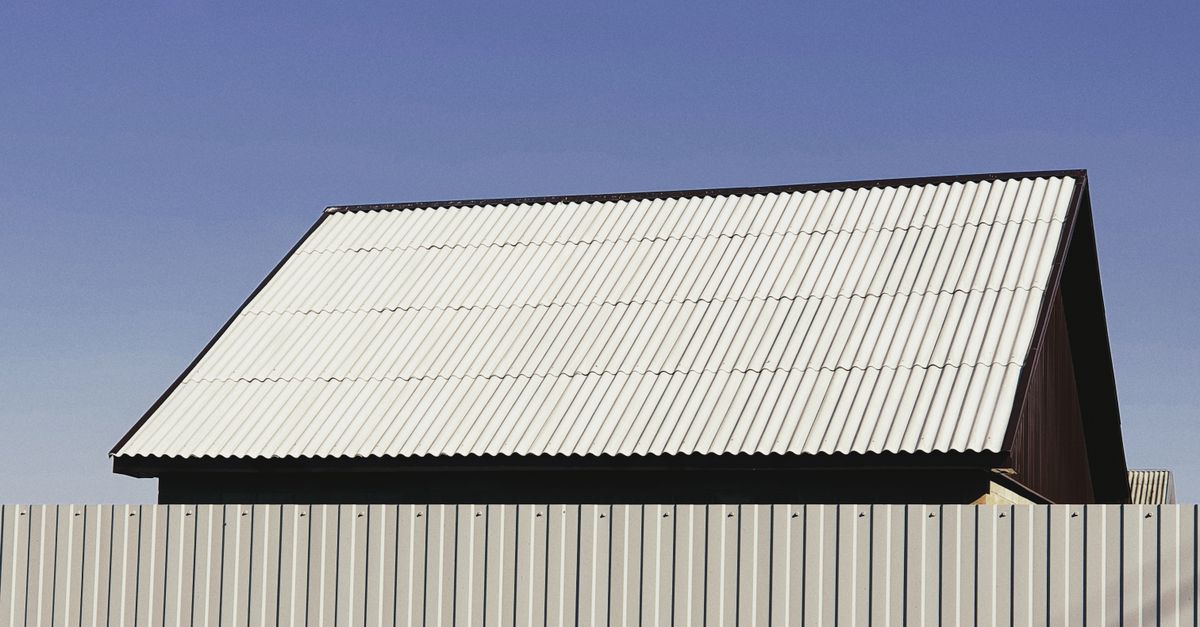
Cost Considerations for Installing Privacy Colorbond Fencing
Table Of Contents
Additional Expenses to Consider
When planning the installation of Privacy Colorbond fencing, it's essential to factor in extra costs beyond the initial purchase and setup. These can include the price of site preparation, such as clearing any existing obstacles or uneven terrain. The need for specialised equipment or machinery might also arise, particularly if your property features steep slopes or hard-to-access areas. Additionally, consider the potential expenses associated with removing or disposing of any old fencing materials.
Labour costs can vary significantly depending on the complexity of the project and local rates. Hiring a professional installer may seem like the straightforward option, but rates can differ based on experience and demand. It's wise to gather multiple quotes and check references. Ensuring the installation is done correctly can prevent future expenses, such as repairs or replacements, which can arise from improper installation or inadequate materials.
Permits and Regulations
Before installing privacy Colourbond fencing, it is essential to check local council regulations and requirements. Different regions may impose specific zoning laws that dictate how tall the fence can be, the materials allowed, and the required setbacks from property boundaries. Failing to adhere to these regulations can lead to fines, legal disputes, or the need to remove the fence altogether. Therefore, reviewing the relevant guidelines will facilitate smoother planning and execution.
In some cases, obtaining a building permit might be necessary, especially for larger or more complex installations. The permit process generally involves submitting detailed plans and ensuring that the proposed fencing complies with local building codes. Engaging with your council early on can streamline this process and help avoid unforeseen delays. Understanding these legalities protects your investment and ensures that the installation is compliant with community standards.
Long-Term Maintenance Costs
Investing in a privacy Colorbond fence involves not just the initial installation costs but also considerations for ongoing maintenance. Colorbond fencing is known for its durability, yet it can still encounter wear and tear over time. Factors such as extreme weather conditions, rust, and general exposure can contribute to the need for occasional repairs or touch-ups. Understanding these elements can help homeowners budget accordingly to maintain their fencing and prolong its lifespan.
Regular upkeep can include activities like cleaning and inspecting for damage, which may require minimal investment in tools or cleaning supplies. Painting or re-coating may be necessary every decade or so to preserve the fence's appearance and protect against corrosion. Homeowners should also factor in costs related to potential replacement parts, should any sections become damaged. By planning for these long-term expenses, the overall investment in a Colorbond fence can yield more value over time.
Keeping Your Fencing in Top Condition
To ensure that your Colourbond fencing remains in optimal condition, regular maintenance is crucial. Cleaning the surface every six months prevents the buildup of dirt and grime. A gentle wash with soapy water and a soft brush will suffice for most stains. Check for any signs of rust or damage, especially at joints or where the panels meet the ground, as moisture accumulation can cause deterioration over time.
Another important aspect is to inspect the fencing for any shifting or lean. If panels appear unstable, it may indicate issues with the posts or the ground beneath them. Reinforcing the foundations or addressing any drainage problems can help maintain structural integrity. Keeping plants and vegetation away from the fence will also protect it from potential moisture and pests that could compromise its lifespan.
Choosing the Right Height and Style
Selecting the appropriate height and style for Colorbond fencing plays a crucial role in both functionality and aesthetics. High fencing provides enhanced privacy and security, making it a popular choice for residential areas. On the other hand, lower fences may be more suitable for garden boundaries or decorative purposes. A variety of styles are available, ranging from traditional to modern designs, allowing homeowners to complement their property’s architecture and landscape.
Consideration of local regulations is also essential when determining the right height for your fence. Each council may have specific guidelines regarding maximum fence heights, especially in front gardens. Choosing a style that aligns not only with personal preference but also with community standards fosters a harmonious look throughout the neighbourhood. Budget constraints may also influence decisions, with some designs requiring more materials or intricate installations than others.
How Design Impacts Price
The design of a Colorbond fence can significantly influence the overall cost of installation. Variations in height, style, and finish contribute directly to the pricing structure. For instance, a decorative design with intricate features will typically command a higher price compared to basic, straightforward options. Additionally, custom colours or patterns may incur extra charges that homeowners should factor into their budgeting.
Aesthetic elements not only impact initial expenses but can also reflect on the long-term value of a property. Selecting a design that complements the home’s architecture can enhance curb appeal and potentially increase resale value. Custom designs might lead to higher upfront costs; however, they often provide a distinctive touch that standard options lack, making them a worthwhile investment for those prioritising individuality in their outdoor spaces.
FAQS
What are the initial costs associated with installing Colorbond fencing?
The initial costs for installing Colorbond fencing can vary depending on the height, style, and length of the fence, as well as any additional features or customisations you choose. Typically, you can expect to pay between $75 to $150 per metre, including materials and installation.
Do I need a permit to install Colorbond fencing?
Yes, in many local councils in Australia, you may require a permit for installing Colorbond fencing, especially if it exceeds certain heights or is located near boundaries. It’s best to check with your local council to understand the specific regulations that apply to your area.
What ongoing maintenance costs should I expect with Colorbond fencing?
Colorbond fences are generally low-maintenance; however, you should factor in occasional cleaning and any necessary repairs. Over time, you may need to replace components if damaged, which can add to your overall maintenance costs.
How does the height and style of the fence affect the cost?
The height and style of Colorbond fencing significantly impact the overall cost. Taller fences or those with intricate designs typically require more materials and labour, leading to higher installation costs compared to standard designs.
Are there ways to reduce costs when installing Colorbond fencing?
Yes, you can reduce costs by opting for a standard height and style, purchasing materials in bulk, or undertaking part of the installation yourself. Additionally, comparing quotes from different contractors can help you find the best price for your fencing project.
Related Links
Tips for Selecting Colours for Privacy Colorbond FencingDesign Ideas for Custom Privacy Colorbond Fencing
Addressing Noise Concerns with Privacy Colorbond Fencing
Installation Techniques for Effective Privacy with Colorbond Fencing
The Impact of Privacy Colorbond Fencing on Property Value
The Benefits of Privacy Colorbond Fencing for Urban Homes
Comparing Privacy Colorbond Fencing to Traditional Wood Fencing